
لماذا لا يمكنك سماع صوت احتكاك المعدن بالمعدن عندما تقود سيارة على طريق غير مستوٍ؟
لماذا نقول غالبًا إن السيارة تبدو ‘ناعمة’ أو ‘قاسية’؟ وكيف يتم تحقيق ذلك من خلال ضبط نظام التعليق؟
صحيح ذلك—كل الأمر يعود إلى جلبات السيارة! جلبات السيارة المتينة تستخدم لامتصاص الصدمات، وتقليل الاحتكاك، وإطالة عمر المكونات، وتعزيز الراحة. من كان يظن أن مكونًا صغيرًا كهذا يمكن أن يكون له هذا التأثير القوي!
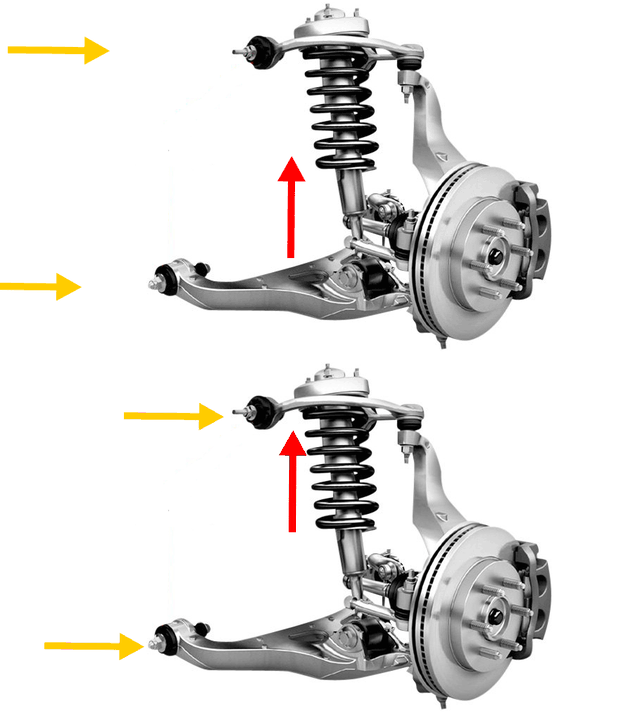
في هيكل السيارة، لا تكون المكونات ونقاط الحركة المختلفة مرتبطة ميكانيكيًا بشكل مباشر؛ بل يتم ربطها بواسطة جلبات مطاطية مصنوعة أساسًا من المطاط. يتم وضع هذه الجلبات عند نهايات هندسة التعليق—أي عند النقاط التي تتركز فيها القوى. تؤثر القوى الجانبية والطولية والعمودية من الهيكل على سطح الجلبات المطاطية، مما يعرض هذه المكونات المطاطية لأحمال ثقيلة لفترات طويلة.
تعكس جودة تصميم الجلبة بشكل مباشر أداء السيارة، لذا فإن تصميم الجلبات عالي الجودة له أهمية قصوى! يتم تقسيم الجلبات المستخدمة في السيارات بشكل أساسي إلى جلبات مطاطية وجلبات هيدروليكية. لماذا تُعتبر الجلبات الهيدروليكية ‘أفضل’؟
توفر الجلبات الهيدروليكية منحنى صلابة أفضل
تتميز الجلبات الهيدروليكية ببنية معقدة، وهي من بين المنتجات الأكثر تطورًا تقنيًا والأعلى قيمة مضافة في فئة الجلبات. يتم ملء التجويف الداخلي للجلبة بسائل هيدروليكي؛ وعند تعرضها لضغط خارجي، يتيح ذلك درجات متفاوتة من الصلابة، مما يوفر منحنى صلابة محسّن يساعد على تعزيز أداء القيادة العام للمركبة.
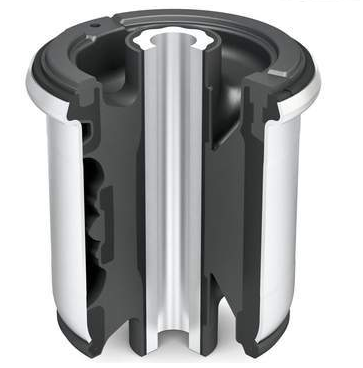
توفر الجلبات الهيدروليكية امتصاصًا ممتازًا للصدمات
مقارنةً بالجلبات المطاطية التقليدية في السيارات، فإن أهم تحسين توفره الجلبات الهيدروليكية هو أنها تفصل العلاقة المباشرة بين ليونة المطاط وخصائص التخميد في الجلبة.
كما هو موضح في الرسم أعلاه، لا تزال الطبقة الخارجية من الجلبة الهيدروليكية مصنوعة من مادة المطاط المعروفة، ولكن داخل المطاط تم تصميم العديد من الحجرات والقنوات وملؤها بسائل هيدروليكي.
وبناءً على ذلك، عندما تتحرك منظومة التعليق وتضغط على الجلبة الهيدروليكية، يتدفق السائل الهيدروليكي إلى الجانب المقابل حيث يولد تخميدًا من خلال الضغط الهيدروليكي. وبهذه الطريقة، تضمن الجلبة الهيدروليكية امتصاص الصدمات في المرحلة الأولى باستخدام مطاط ناعم، وفي الوقت نفسه توفر قوة تخميد في المرحلة النهائية لمنع الاهتزازات غير الضرورية، مما يوفر تأثير تعليق يكون ناعمًا في البداية ومتينًا في النهاية.
إذا كان ضبط نظام تعليق السيارة في هذه المرحلة أيضًا على مستوى عالٍ، فسيكون هيكل السيارة قادرًا على التعامل مع مطبات الطريق بسهولة، مما يوفر جودة قيادة متميزة للركاب.
تم تصميم نظام التعليق الهيدروليكي في Nafurancar وفقًا لمواصفات المصنع الأصلية، مما يضمن نفس المعايير العالية للمعدات الأصلية. وهذا يعزز ليس فقط أداء القيادة للمركبة بأكملها، بل أيضًا تجربة القيادة للركاب.


 Whatsapp :
  هاتف :
  بريد الالكتروني :