
مع التطور السريع لصناعة السيارات، شهدت أنظمة تكييف الهواء في السيارات تحسناً ملحوظاً في راحة القيادة والركاب، ويتزايد التركيز على متطلباتها الوظيفية وابتكاراتها التكنولوجية. يعتمد أداء نظام التكييف على الوصلات داخل نظام الأنابيب، مثل خطوط الضغط العالي والمنخفض؛ ولذلك، تكتسب متطلبات تصميم أنابيب التكييف أهمية بالغة. تستكشف هذه الورقة البحثية عملية التطوير التقني لأنابيب التكييف من خلال تقديم نظرة عامة مفصلة على مكونات أنظمة تكييف الهواء في السيارات، ومبادئ تشغيلها، وتصميمها، وعمليات تصنيعها، ومتطلبات اختبارها. علاوة على ذلك، تحلل الورقة أنماط الأعطال الشائعة في أنابيب تكييف الهواء في السيارات، وتقترح تدابير تصحيحية وتوصيات صيانة مناسبة، مما يوفر مرجعاً لتطوير وتصميم المشاريع المستقبلية.
مقدمة
يُعدّ نظام تكييف الهواء عنصرًا أساسيًا في مقصورة السيارة، فهو يُحسّن راحة السائق والركاب على حدٍ سواء، ويلعب دورًا هامًا في الأداء العام للسيارة. وتعمل أنابيب التكييف، باعتبارها المكون الرئيسي لهذا النظام، تمامًا كالأوعية الدموية في جسم الإنسان، حيث تربط المكونات الرئيسية مثل الضاغط والمكثف والمبخر وصمام التمدد لتشكيل نظام مغلق. وهذا يضمن التدفق المنتظم لغاز التبريد داخل النظام، مما يُمكّن نظام التكييف من توفير وظيفتي التبريد والتدفئة.
مع التطور السريع لسوق السيارات الصينية، يتزايد طلب المستهلكين على أداء وموثوقية وكفاءة استهلاك الطاقة لأنظمة تكييف الهواء في المركبات. ويُشكل تصميم وتصنيع وصيانة أنظمة أنابيب تكييف الهواء في المركبات تحديات عديدة، مما يستلزم الابتكار والتحسين المستمر. لذا، يُعدّ إجراء دراسة شاملة للتقنيات والحلول ذات الصلة بأنظمة أنابيب تكييف الهواء في المركبات ذا أهمية عملية بالغة لتحسين الأداء العام لهذه الأنظمة، وخفض استهلاك الطاقة، وتقليل معدلات الأعطال، وتحسين تجربة المستخدم.
لمحة عامة عن أنظمة تكييف الهواء في السيارات
1. مكونات ومبادئ تشغيل نظام تكييف هواء السيارة
يتكون نظام تكييف الهواء في السيارة بشكل أساسي من ضاغط، ومروحة تبريد، ومكثف، ومنفاخ، ومجفف، وأنابيب تكييف، ومبخر، وصمام تمدد، ومادة تبريد. وفي سيارات الطاقة الجديدة المزودة ببطاريات مبردة بالسوائل، يلزم وجود مشعاع تبريد أيضًا.
تتمثل الوظيفة الأساسية لنظام تكييف الهواء في السيارة في توفير التبريد والتدفئة، مما يضمن بيئة مريحة للركاب داخلها. تتألف عملية التبريد في نظام التكييف بشكل أساسي من الضغط والتكثيف والتحكم في التدفق والتبخير والتدوير. أولًا، يقوم الضاغط بضغط غاز التبريد ذي درجة الحرارة والضغط المنخفضين ليتحول إلى غاز ذي درجة حرارة وضغط مرتفعين، ثم يُضخ إلى المكثف. ثانيًا، داخل المكثف، يُبرد غاز التبريد ويُسال، ليتحول إلى سائل ذي درجة حرارة وضغط متوسطين، قبل أن يتدفق إلى خزان التجفيف للتخزين والتجفيف. بعد ذلك، وبعد مروره عبر صمام التمدد حيث ينخفض الضغط، يصبح غاز التبريد سائلًا ذا درجة حرارة وضغط منخفضين ويدخل إلى المبخر. أخيرًا، داخل المبخر، يغلي غاز التبريد ويمتص الحرارة، مما يُبرد الهواء المتدفق عبره، وبالتالي يُحقق تأثير التبريد. ثم يُسحب غاز التبريد مرة أخرى إلى الضاغط، مُكملاً بذلك دورة التبريد. وخلال عملية التبريد، توفر أنابيب تكييف الهواء مسارًا لتدفق غاز التبريد.
تعتمد آليات التسخين في أنظمة تكييف الهواء بالسيارات بشكل أساسي على استخدام حرارة المحرك المهدرة وتوظيف وحدات تسخين مستقلة. وتعتمد سيارات البنزين والديزل التقليدية بشكل رئيسي على الحرارة المتولدة من المحرك، بينما تستخدم سيارات الطاقة الجديدة مقاومات حرارية من نوع PTC للتسخين.
2. وظائف وتصنيفات أنابيب تكييف الهواء في السيارات
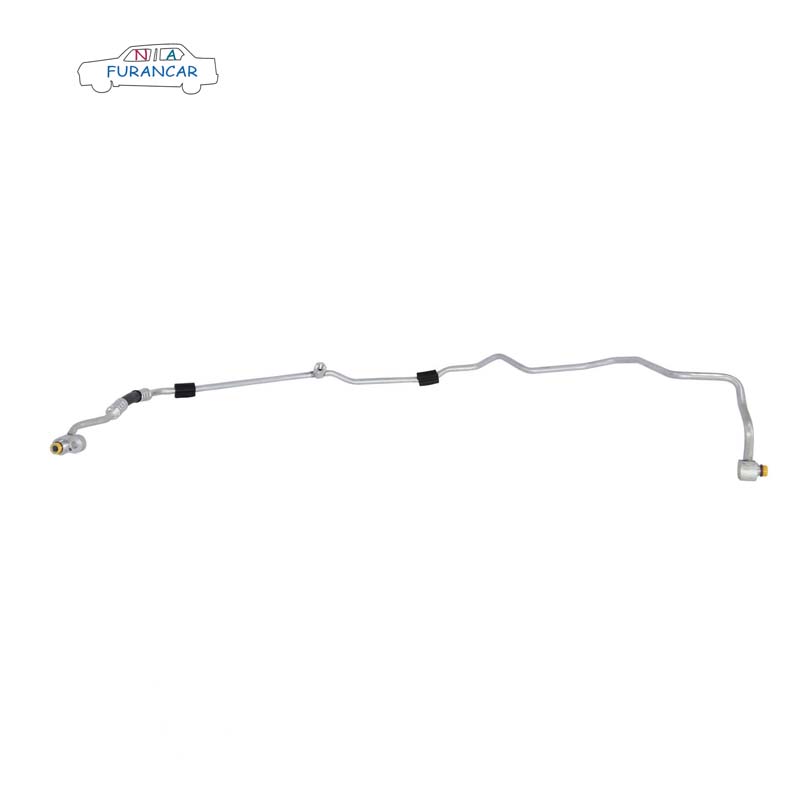
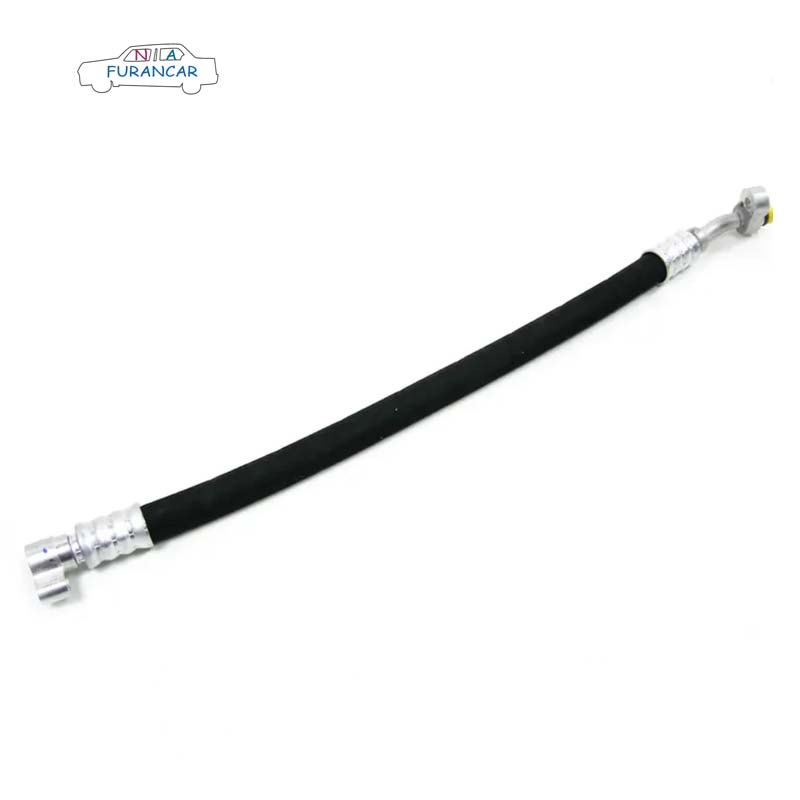
تلعب أنابيب تكييف الهواء دورًا محوريًا في أنظمة تكييف الهواء في السيارات، حيث تربط بين مختلف المكونات وتنقل غاز التبريد، مما يضمن دورانه بسلاسة داخل النظام. ويمكن تصنيف أنابيب تكييف الهواء في السيارات إلى أنابيب الضاغط، وأنابيب المكثف، وأنابيب قلب السخان، وأنابيب نظام التهوية، وغيرها. كما يمكن تصنيفها حسب المادة المصنعة منها إلى أنابيب نحاسية، وأنابيب ألومنيوم، وخراطيم مطاطية؛ وحسب الضغط إلى خطوط ضغط عالٍ وخطوط ضغط منخفض؛ وبناءً على حالة غاز التبريد خلال دورة التشغيل، إلى خطوط غازية وخطوط سائلة.
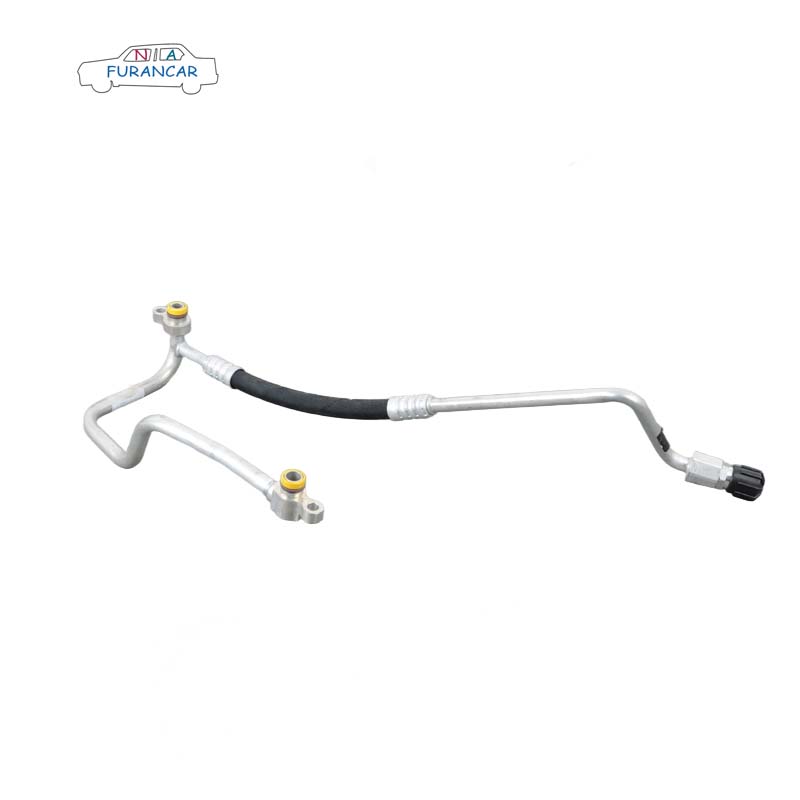
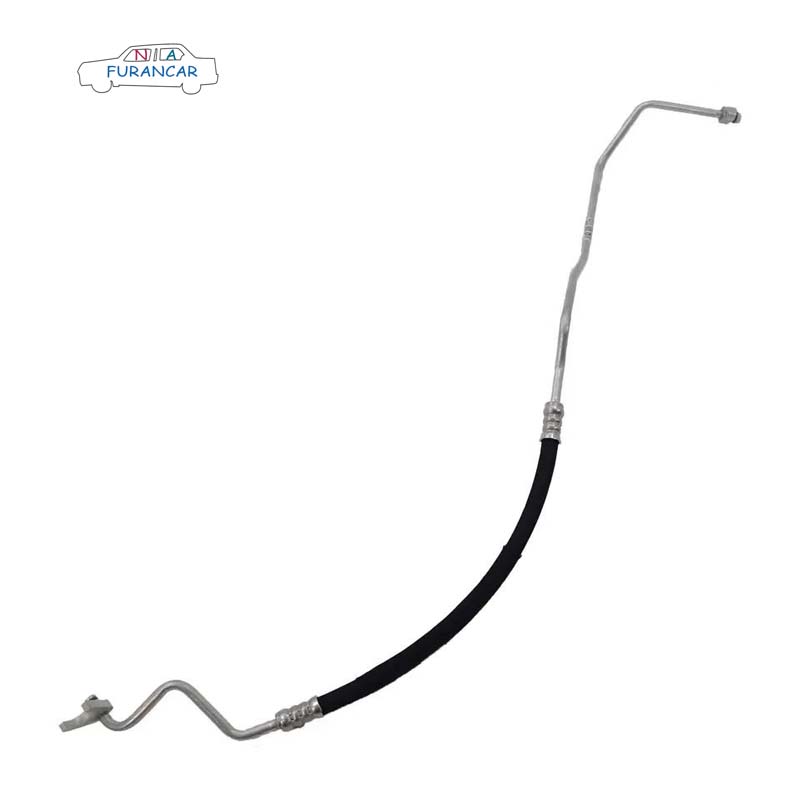
نظرًا لخفة وزن أنابيب الألمنيوم، فإنها تُسهم بشكل إيجابي في تصميم السيارات لتقليل الوزن؛ ونتيجة لذلك، تُستخدم أنابيب الألمنيوم على نطاق واسع في أنظمة تكييف الهواء في السيارات. تتكون أنظمة أنابيب تكييف الهواء في السيارات بشكل أساسي من أنابيب الألمنيوم، والوصلات (المشابك، والموصلات، والصواميل، وما إلى ذلك)، والخراطيم المرنة، والخراطيم المموجة، وأكمام الألمنيوم، ومنافذ الشحن، والحلقات المطاطية، ومفاتيح الضغط، والأغطية البلاستيكية. ولضمان عدم تسرب غاز التبريد، تُعد جودة تصميم وصلات الأنابيب بالغة الأهمية. تُعتبر الوصلات في أنابيب تكييف الهواء في السيارات أساسية لضمان منع التسرب؛ ومن أهم أنواع الوصلات المستخدمة حاليًا الوصلات الملولبة ووصلات المشابك.
تتضمن الوصلات الملولبة ربط أنابيب الألمنيوم ببعضها البعض، أو بأجزاء أخرى، باستخدام الصواميل والخيوط الخارجية. أما وصلات التثبيت فتستخدم المشابك والمسامير لتثبيت وصلات الأنابيب بإحكام، مما يضمن الإحكام والاستقرار. عند شد الخيوط، قد يتعرض الخرطوم للالتواء؛ فالخراطيم المعرضة لإجهاد القص الالتوائي معرضة للتلف المبكر، كما أن قوة الالتواء هذه تميل إلى التسبب في ارتخاء الوصلة. لذلك، يُفضل استخدام هياكل التثبيت في أنابيب تكييف الهواء.
متطلبات تصميم أنابيب تكييف الهواء في السيارات
1. متطلبات تركيب وتوجيه أنابيب تكييف الهواء في السيارات
تتعرض أنابيب تكييف الهواء في السيارات للاهتزازات والصدمات وتقلبات درجات الحرارة أثناء حركة السيارة؛ لذا، يُعدّ تركيبها بإحكام أمرًا بالغ الأهمية. يمنع التثبيت السليم الارتخاء والتآكل والتسريب، مما يضمن التشغيل الطبيعي والموثوقية طويلة الأمد لنظام التكييف. عند وجود أنبوبين متوازيين، تُصمّم عادةً فتحات صواميل ملحومة في مواقع مناسبة على اللوحة الخارجية للحاجز الأمامي، وتُستخدم مشابك متعددة الأنابيب لتثبيت الأنابيب، مع نقاط تثبيت متباعدة عادةً بمسافة 300 مم. في الوقت نفسه، تُستخدم روابط الكابلات غالبًا للمساعدة في تثبيت الأنابيب. بالنسبة للأنابيب الصلبة، يجب أن تتراوح المسافة بين نقطتي تثبيت بين 100 و400 مم لمنع الاهتزاز المفرط الناتج عن الأجزاء الطويلة جدًا. يجب تقليل نقاط التثبيت على الخراطيم المرنة لتقليل الإجهاد والتآكل. يجب إضافة نقاط تثبيت إضافية عند الانحناءات لضمان الثبات عند هذه النقاط.
عند تصميم مجاري تكييف الهواء، يجب استيفاء سلسلة من متطلبات التخطيط. يجب أن تكون زاوية الانحناء في المجاري الصلبة أكبر من 90 درجة؛ ويجب أن يكون نصف قطر الانحناء من 1.5 إلى 2 ضعف قطر المجرى؛ ويجب ألا يقل طول الجزء المستقيم بعد الانحناء عن 15 مم؛ ويجب أن يكون قطر الوصلة بين المجاري المرنة والصلبة أكبر من 35 مم. كما يجب ألا تقل الخلوص بين المجاري والمكونات المحيطة بها عن 6 مم لمنع التآكل الناتج عن الاحتكاك بين المجاري والمكونات المحيطة.
3. متطلبات اختبار مجاري تكييف الهواء
لمنع تسرب غاز التبريد أثناء عملية الدوران، يجب أن تستوفي أنظمة تكييف الهواء في السيارات متطلبات صارمة لإحكام الهواء؛ خلال مرحلة التصميم والتطوير، يجب إجراء العديد من الاختبارات للتحقق من سلامة التصميم، وإذا تم اجتياز الاختبار، فهذا يشير إلى أن إحكام أنابيب التبريد يفي بالمتطلبات.
تحليل أنماط الأعطال في أنابيب تكييف الهواء للسيارات
تشير الإحصائيات ذات الصلة إلى أن أعطال أنظمة التكييف الناتجة عن شحن غاز التبريد بشكل غير صحيح تُعدّ المشكلة الأكثر شيوعًا، حيث تُشكّل التسريبات عند وصلة أنبوب مخرج المبخر وأنبوب سحب الضاغط ما يصل إلى 90% من هذه الحالات. وبالتالي، فإنّ السبب الرئيسي لعطل أنابيب تكييف السيارات هو تسريب غاز التبريد عند الوصلات، والذي يُعزى إلى الأسباب المحددة التالية.
1. تقادم شبكة الأنابيب
بعد الاستخدام المطوّل، تتآكل المكونات المطاطية لنظام تكييف الهواء في السيارة تدريجيًا، فتتصلب وتتشقق، مما يؤدي إلى تسرب غاز التبريد عبر هذه الشقوق. ونظرًا لوجود أنابيب التكييف بشكل رئيسي في حجرة المحرك، حيث تتعرض باستمرار لدرجات حرارة عالية واهتزازات، فإن عملية التآكل تتسارع.
2. وصلة غير محكمة
قد تنفك وصلات أنابيب مكيف الهواء أثناء سير السيارة نتيجة للاهتزازات وعوامل أخرى. وفي حال انفكاك إحدى هذه الوصلات، سيتأثر إحكامها، مما يزيد من احتمالية تسرب غاز التبريد منها.
3. عطل في أحد المكونات
قد تتسبب مكونات نظام التكييف، مثل الضاغط والمكثف والمبخر، في تسرب غاز التبريد إذا تضررت موانع التسرب الداخلية أو إذا ظهرت عيوب في المكونات نفسها كالتشققات أو الثقوب الدقيقة. على سبيل المثال، قد يؤدي تلف مانع تسرب عمود الضاغط إلى تسرب غاز التبريد من خلاله إلى البيئة الخارجية.
4. الإصابة الرضية
أثناء سير المركبة، قد تتعرض أنابيب التكييف لقوى خارجية مثل اصطدام الحجارة أو احتكاك الأغصان، مما قد يُلحق الضرر بها ويؤدي إلى تسرب غاز التبريد. علاوة على ذلك، قد يؤدي سوء التعامل مع أنابيب التكييف أثناء صيانة المركبة إلى تلفها أيضاً.
5. ضغط غير طبيعي
إذا كان الضغط في نظام التكييف مرتفعًا جدًا أو منخفضًا جدًا، فقد يتسبب ذلك في تلف الأنابيب والمكونات، مما يزيد من خطر تسرب غاز التبريد. على سبيل المثال، إذا دخلت غازات غير قابلة للتكثيف، مثل الهواء، إلى نظام التبريد، فقد يؤدي ذلك إلى ارتفاع ضغط النظام بشكل مفرط، مما يؤدي إلى تلف موانع التسرب في الأنابيب أو المكونات، وبالتالي تسرب غاز التبريد.
لتجنب تسرب غاز التبريد الناتج عن العوامل المذكورة أعلاه، ينبغي مراعاة النقاط التالية: أولاً، أثناء استخدام السيارة، يجب فحص الجزء الخارجي من أنابيب مكيف الهواء بانتظام بحثًا عن علامات التلف أو التشققات أو التآكل، خاصةً عند الانحناءات وفي المناطق القريبة من مصادر الحرارة مثل المحرك. ثانيًا، يجب فحص وصلات الأنابيب بشكل متكرر للتأكد من عدم وجود ارتخاء أو تسرب؛ ويمكن القيام بذلك عن طريق وضع ماء وصابون للتحقق من تكوّن فقاعات، مما يدل على وجود تسرب. علاوة على ذلك، يجب فحص حالة تشغيل جميع مكونات نظام تكييف الهواء بانتظام، مثل ما إذا كان الضاغط يعمل بشكل طبيعي وما إذا كان هناك تراكم غير طبيعي للصقيع على المكثف أو المبخر. أخيرًا، يجب استخدام نظام تكييف الهواء بشكل صحيح وفقًا لدليل مالك السيارة. تجنب تشغيل مكيف الهواء لفترات طويلة أثناء توقف المحرك، لأن ذلك يُسبب ضغطًا غير ضروري على الضاغط. أخيرًا، أثناء صيانة السيارة، تأكد من صيانة نظام تكييف الهواء بشكل صحيح. يشمل ذلك استبدال فلتر الهواء للحفاظ على نظافة النظام، ومنع دخول الغبار والملوثات الأخرى إليه، والتي قد تؤثر سلبًا على أداء التبريد وتُلحق الضرر بالمكونات. علاوة على ذلك، أثناء إصلاح المركبة، يجب الحرص على تجنب إتلاف أنابيب ومكونات مكيف الهواء. في حال استدعى الأمر إزالة أنابيب مكيف الهواء، يجب اتباع إجراءات التشغيل القياسية؛ وبعد الإزالة، يجب حماية وصلات الأنابيب والمناطق الأخرى لمنع دخول الأجسام الغريبة.
خاتمة
تستكشف هذه الورقة البحثية عملية التطوير التقني لأنابيب تكييف الهواء، من خلال تقديم نظرة عامة شاملة على مكوناتها، ومبادئ تشغيلها، وتصميمها، وعمليات تصنيعها، ومتطلبات اختبارها في أنظمة تكييف الهواء للسيارات. علاوة على ذلك، ومن خلال تحليل ومعالجة مشكلات التسريب في وصلات أنابيب التكييف، تقترح الورقة تدابير تصحيحية وتوصيات صيانة مناسبة، مما يوفر مرجعًا لتطوير وتصميم المشاريع المستقبلية. إن التطوير التقني لأنابيب التكييف وحل مشكلات التسريب لا يؤثر فقط على أداء نظام التكييف، بل يؤثر أيضًا بشكل مباشر على راحة الركاب والجودة الشاملة للمركبة. لذلك، ينبغي إيلاء تصميم وتصنيع وصيانة أنابيب التكييف الاهتمام اللازم.
العلامات :


 Whatsapp :
  هاتف :
  بريد الالكتروني :